Men's Health
Support for Intimacy After 50: What Actually Changes
Support for intimacy after 50 tends to get framed as purely a physical issue, but the honest picture is more layered than that — and understanding it fully makes it much easier to actually address.
What Changes Physically
Circulation efficiency, nitric oxide availability, and testosterone all decline gradually with age. None of these changes are dramatic on their own year to year, but they compound — which is part of why men in their 50s often notice less interest in intimacy or a less consistent response than they had a decade earlier.
What Changes Relationally
Long-term relationships also change — routine, familiarity, and simply less novelty can reduce spontaneous desire in ways that have nothing to do with physical capability. Conflating the two (assuming a relational dip is purely physical, or vice versa) leads a lot of men down the wrong path.
What Changes Practically
Health conditions and medications become more common with age — blood pressure medication, in particular, is a well-known contributor to reduced sexual response. This is worth reviewing with a doctor rather than assuming it's unrelated.
What Realistic Support Looks Like
A combination approach tends to work best: addressing the physical side through circulation and stress-resilience support (this is where ingredients like L-Arginine and Ashwagandha come in), being honest with a partner about what's changed, and ruling out medication or health factors with a doctor when something feels off.
Bottom Line
Support for intimacy after 50 isn't a single fix — it's physical, relational, and sometimes medical, all at once. Treating it as purely one or the other usually means missing part of the picture.
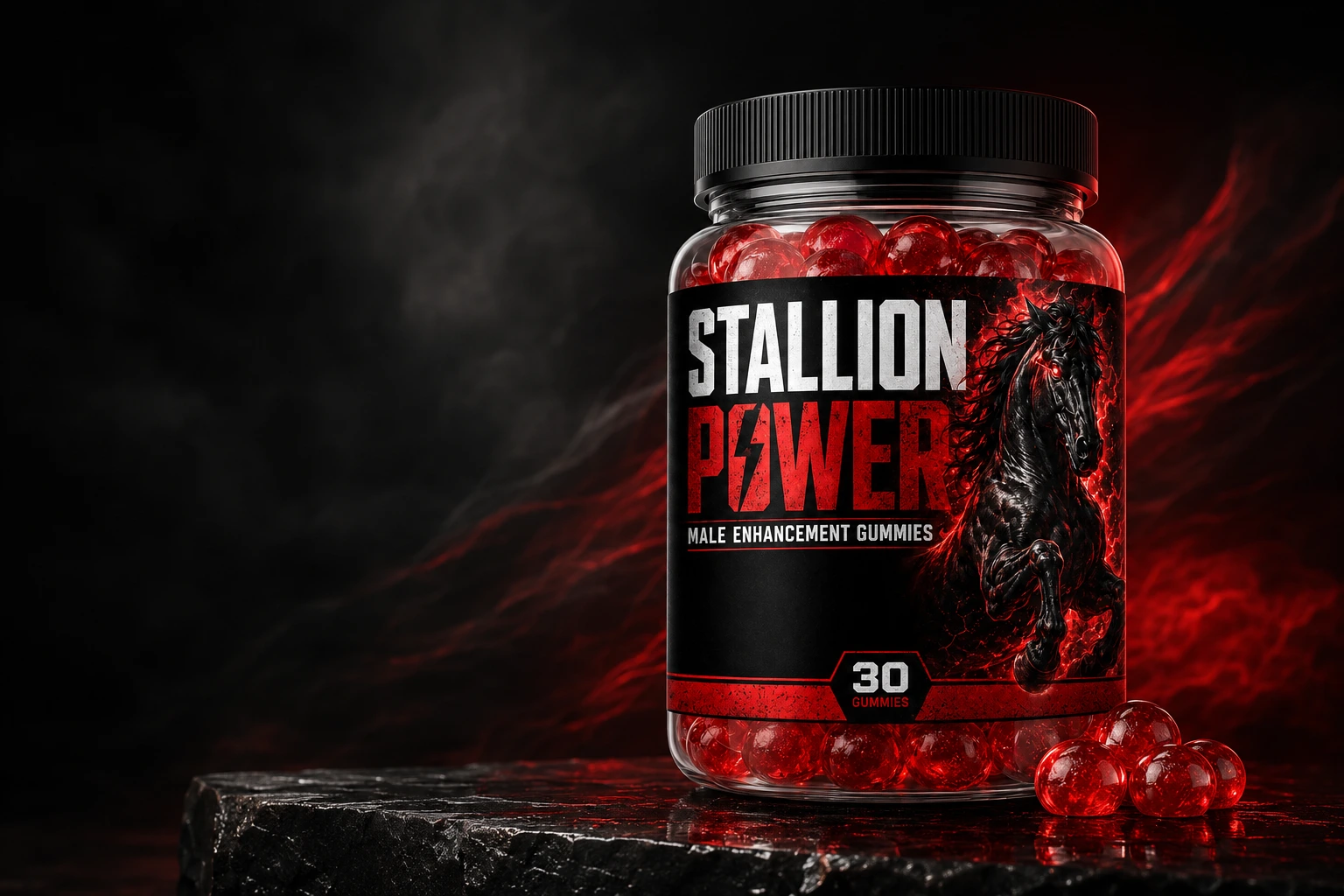
See How Stallion Power® Fits In
Nine named ingredients, real citations, and a 60-day guarantee.
See Stallion Power® Pricing →